


Dental Bone Grafts in St. John, Indiana | Restoring Jawbone Structure
At St. John Premier Dental, our experienced team provides dental bone grafts in St. John, Indiana, a treatment that restores jawbone strength after tooth extraction, infection, or gum disease. An oral bone graft is designed to stimulate and rebuild a weakened jawbone, to promote overall oral health and support future restorations, such as dental implants.
If a tooth extraction is necessary, then it’s common for the jawbone to lose density over time. As the bone shrinks, it may reach a point where the bone density is insufficient to hold dental restorations. When you visit our dental office, located near you in St. John, Indiana, we might recommend the placement of a tooth bone graft before the placement of a dental implant.
Our dental experts at St. John Premier Dental use modern technology and digital imaging to plan your treatment, ensuring the best results possible from your dental bone grafts. Not only can we evaluate bone density, but we also use the most precise methods possible for the graft placement to achieve long-term results.
What Are Dental Bone Grafts?
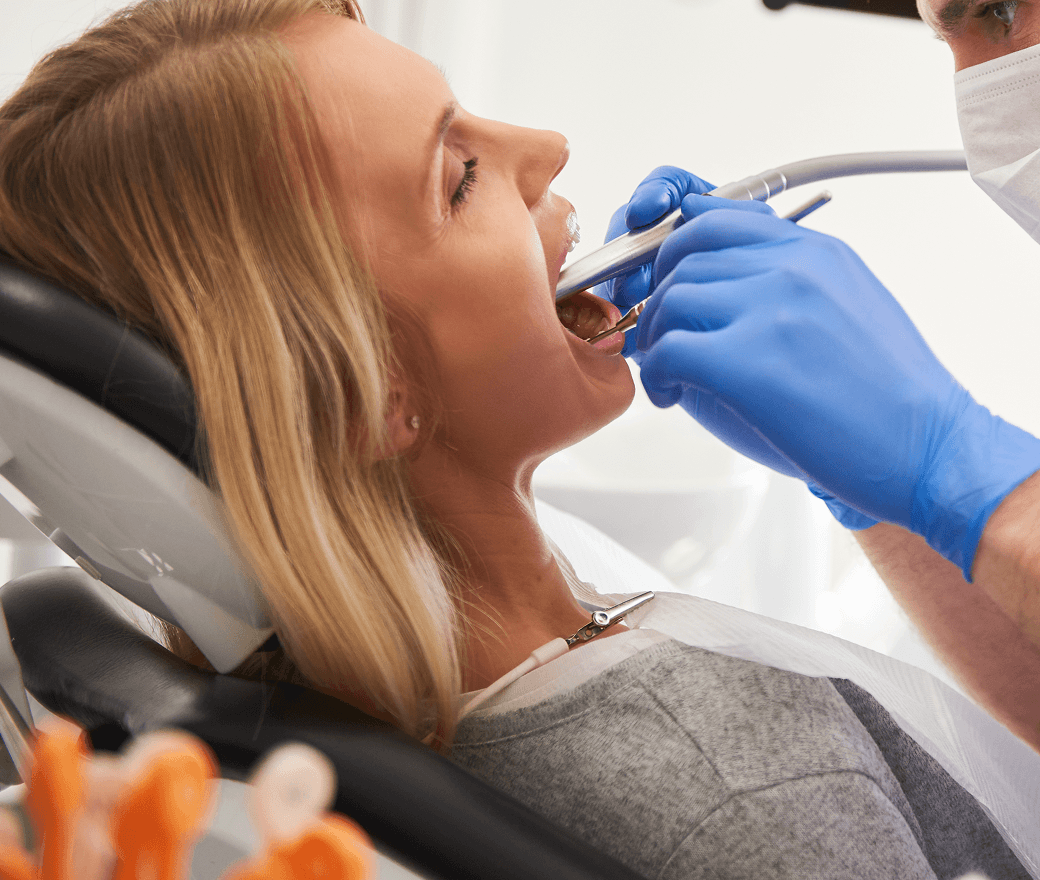
Dental bone grafts are placed using a surgical procedure to add bone material to the areas where the jawbone is weakening. This grafting material can come from a donor bone or synthetic materials. You will receive personalized treatment recommendations to ensure that the graft integrates safely and effectively with your jawbone.
The reason why a bone graft works so well is that it stimulates the body’s natural healing responses. Once the bone graft is in place, the new bone cells gradually grow into the grafted material, which strengthens the area and improves bone density.
Bone grafts are most often recommended after a tooth extraction as a way to preserve the bone mass in that area. This modern dental treatment makes it possible to rebuild the ridge structure where teeth are missing.
When Are Dental Bone Grafts Recommended?
If you need future restorations and the loss of bone could compromise the stability of these restorations, then dental bone grafts might be recommended as part of your treatment plan.
Here are some of the most common reasons why a bone graft in the mouth could be necessary for your oral health:
Jawbone volume loss after tooth extraction
Preparing for the placement of a dental implant
Advanced gum disease
Bone damage because of trauma or an accident
Sometimes, bone grafts are used immediately when a tooth is extracted to reduce the risk of the ridge collapsing. Other times, bone grafts are necessary when the bone density has decreased for many months or years after tooth extraction. If you are planning to invest in dental implants, then this preventive step might be an important part of your treatment plan.
Benefits of Dental Bone Grafts
The benefits of dental bone grafts are undeniable, especially when you consider the long-term results that can be achieved. The ultimate goal for this treatment is to rebuild structural support in the weakened areas of the jawbone. Here are some of the benefits that you can expect from bone grafts:
Bone preservation, especially when the ridge shape needs to be maintained after extraction.
Ensuring a strong enough foundation to hold future implant placement.
Supporting the overall facial structure to prevent jaw collapse that affects facial features.
Preventive benefits for reducing the risk of more complex dental treatments in the future.
Visit our dental office close to you in St. John, Indiana, to see if you will benefit from this treatment. In many cases, a proactive approach with dental bone grafts can simplify future restorative services and optimize your overall oral health.
The Dental Bone Grafts Procedure Explained
We begin the bone graft process with a comprehensive examination and digital imaging at our nearby dental office in St. John, Indiana. Using modern dental technology, we will determine the ideal treatment plan for your unique needs.
When it’s time to start the treatment, we numb the local area, prepare the site, and then place the grafting material. This area is stitched up again, then the jawbone strengthens and develops throughout your recovery time. The natural bone regeneration process usually occurs over several months.

Typical Steps of the Dental Bone Grafts Procedure Include:
Clinical evaluation, including digital imaging for bone assessment.
Local anesthesia is administered to numb the area.
Graft materials are placed in the treatment site.
The bone graft site is stabilized.
Integration and healing continue for the next few months.
Your healing time will depend on the size of the graft and your overall health. We always want to ensure successful integration before moving forward with other restorative procedures, such as dental implants.

Why Patients Choose St. John Premier Dental for Dental Bone Grafts
If you need dental bone grafts, then St. John Premier Dental is the team to call because of our precise techniques and modern technology. We understand that every patient is unique, which is why we always design customized treatment plans based on your individual needs.
Not only are we proactive about addressing your immediate dental needs, but our treatment plans are always designed to support long-term restoration goals. Our dental team is proactive about preserving natural structure as much as possible.
At St. John Premier Dental, we build long-lasting relationships with our patients, helping each person maintain a healthy smile that lasts a lifetime. Schedule a consultation at our local dental office to learn more about available treatments.

Frequently Asked Questions About Bone Grafts
Because the treatment area is numbed with anesthesia, you will feel no pain during the treatment. Minimal discomfort is experienced during post-treatment recovery.
What Our Patients Say
Dr. Peter Straka is just awesome. I always like seeing him. He is great with my children, and I will always appreciate his dedication and kindness....

This practice truly embodies all aspects of being premier. From the moment you walk through the door, you can tell the amount of detail that Dr Str...
Dr. Straka and the team at St. John Premier Dental provide outstanding care and professionalism. The office is welcoming, appointments are efficien...
Best dental experience ever! I typically don’t like going to the dentist, but this office is beautiful and relaxing. The staff and Dentists are wel...
I had a great experience with Dr. Straka and the team at St. John Premier Dental. They did an amazing job with my extraction and made the whole pro...
They were able to squeeze me in to get my crown adjusted, since I was experiencing pain and my normal dentist was not available. Really great and k...
Dr. Straka and his team are some of the most incredible humans i have ever had the pleasure of working with. The office is clean, convenient and ha...
I wanted to say that I am very excited for Dr Straka’s opening of his new office. I have known Peter for many years and believe that he is a very h...
Had an amazing experience at this office. The office itself is stunning and modern, and Dr. Straka is a true professional. Incredibly knowledgeable...
Had a good experience here. New to the area, as am I!! Hope they stay!!


Schedule an Appointment
For quality, convenient dental care, visit St. John Premier Dental. Our office is conveniently located in St. John, Indiana and we serve patients throughout the surrounding communities. Call our office today or fill out our easy online scheduling form to book your appointment.

Monday to Friday: 9AM–5PM
Saturday: 8AM–12PM
Sunday: CLOSED